
Oakland & Macomb County Welfare Fraud AttorneyDon't let one investigation define the rest of your life.
If you've been contacted by an investigator, received a letter from the State, or have been charged with welfare fraud, you're already under tremendous pressure. The decisions you make now can affect your freedom, your finances, and your future.Many people assume these cases are simply about paying money back. They're often far more serious than that.
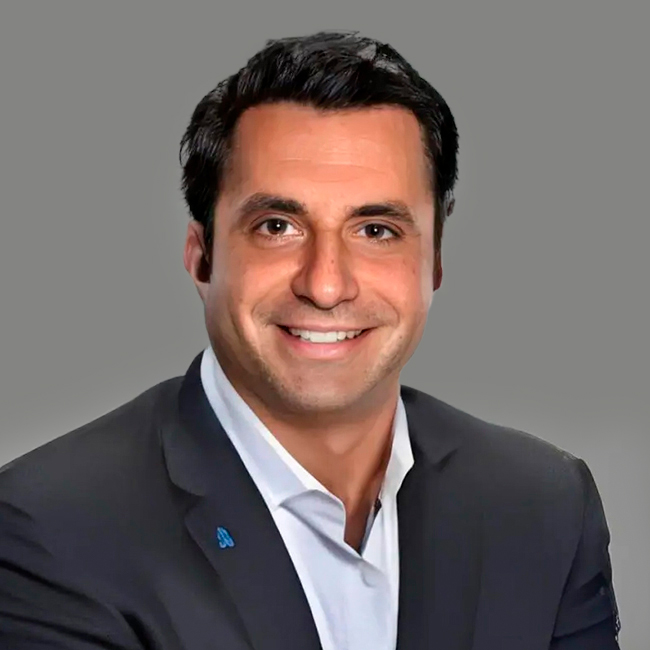
- Former prosecutor — knows how these cases are built
- Pre-charge investigations & filed charges
- Oakland, Macomb & all of Michigan
Most welfare fraud cases aren't lost because the evidence was overwhelming. They're lost because people waited too long to get legal help.
By the time a letter arrives or an investigator calls, the State has often been building the case for months — bank records, employment data, benefit records, cross-referenced household information. Your defense shouldn't start after theirs is finished.
The first conversation isn't about paperwork or repayment. It's about understanding what you're actually facing — and what your options are before you talk to anyone else.
What is welfare fraud?
Welfare fraud is what the State calls it when someone is accused of receiving public benefits — food assistance, Medicaid, cash assistance — that they weren't entitled to, usually by reporting inaccurate income, household size, or living situation. The allegation can arise from something as complex as a long-running scheme or as ordinary as failing to update a form when things changed. Either way, it's treated as a criminal matter, not just a billing issue.
Are you a healthcare provider, practice owner, or billing employee facing a Medicaid audit, subpoena, or investigation? That's a different case entirely — see our Medicaid provider fraud defense page.
Have you been accused of…
Food Stamp (SNAP) Fraud
Alleged misuse or misreporting on SNAP benefits.
Medicaid Coverage Eligibility Fraud
Allegations about how you qualified for your own Medicaid health coverage — income, household, or residency reporting. (Provider billing cases are handled on our Medicaid provider fraud page.)
Cash Assistance Fraud
Family Independence Program (FIP) allegations.
Failure to Report Income
Unreported wages, self-employment, or side income.
Failure to Report Household Changes
Marriage, cohabitation, or new members in the home.
General Public Assistance Fraud
Any MDHHS benefit alleged to have been obtained improperly.
It usually starts like this.
- ✔You receive a letter from MDHHS or the State
- ✔An investigator calls or leaves a message
- ✔Someone requests an in-person or phone interview
- ✔You're told there's an overpayment you have to repay
- ✔Police show up at your home or workplace
- ✔Criminal charges are filed in district or circuit court
If any of these have happened — call before you respond.
Why call a lawyer before speaking with investigators?
Welfare fraud investigators are gathering information to make a charging decision. That's their job. Ours is to make sure you understand what you're being asked, what you're required to provide, and what you're not — before you sit down for an interview or write anything back.
Getting legal advice first doesn't mean ignoring lawful requests. It means responding the right way, at the right time, with a full understanding of your rights and the likely consequences. In many cases, that alone changes the trajectory of the case.
- Talking to the investigator before talking to a lawyer
- Assuming it's just about paying money back
- Ignoring the letter and hoping it goes away
- Writing a statement or email to explain yourself
- Bringing paperwork to an interview without counsel
- Waiting until charges are already filed
- Assuming an honest mistake will be treated as one
- Hiring an attorney who doesn't regularly handle these cases
Agencies you may be dealing with.
Michigan Department of Health and Human Services (MDHHS)
The state agency that typically opens welfare fraud investigations.
Oakland County Prosecutor's Office
Where many Oakland County welfare fraud charges are filed.
Macomb County Prosecutor's Office
Where many Macomb County welfare fraud charges are filed.
Andrew Kassab Law is not affiliated with MDHHS, the Oakland County Prosecutor's Office, or the Macomb County Prosecutor's Office. These agencies are named for informational purposes to help you identify the source of the paperwork or contact you've received.
A former prosecutor — now defending the people on the other side of the table.
- Former Macomb County prosecutor — knows how these investigations are built
- Direct communication — you talk to Andrew, not an intake screener
- Focused criminal defense practice — not a volume mill
- Local Oakland and Macomb County experience
- Handles pre-charge investigations and filed charges
- Straight answers about what your case is really worth defending
Five steps from investigation to resolution.
- 1
Review what you've received
Every letter, notice, and voicemail. We build a timeline from day one.
- 2
Protect your communications
We handle contact with investigators and MDHHS so you don't say the wrong thing.
- 3
Build the defense
Records, employment, household documentation — the evidence that tells your story.
- 4
Negotiate or litigate
Pre-charge resolution when possible; aggressive defense when charges are filed.
- 5
Resolve it — cleanly
Aiming for the best realistic outcome: dismissal, reduction, diversion, or repayment without a conviction record when possible.
Michigan welfare fraud FAQ.
Is welfare fraud a felony in Michigan?+
It depends on the specific statute charged and the amount alleged. Michigan welfare fraud allegations can carry felony consequences — including significant fines, restitution, and prison time — but the exact charge and level depend on the facts. Any accusation should be treated as a serious criminal matter.
Can welfare fraud charges be dropped or reduced?+
Sometimes, yes. Depending on the evidence, the alleged amount, prior record, and how the case is presented to the prosecutor, charges can potentially be reduced, resolved through repayment arrangements, or in some cases dismissed. Early legal involvement gives you the best shot.
Should I talk to the investigator?+
Not before you talk to a lawyer. Investigators are trained to gather statements that can be used against you. Getting legal advice before you respond helps you understand your rights and make informed decisions about any interview or written request.
Will I have to repay benefits?+
Restitution is common in welfare fraud cases when an overpayment is established. Sometimes repayment is part of a resolution that avoids the harshest criminal consequences. The right strategy depends on the specific facts.
Can I avoid jail?+
In many cases, yes — especially with no prior record and a proactive defense. Outcomes range from dismissals and diversion to probation and restitution, but jail or prison is possible in more serious matters. The earlier we're involved, the more options are usually on the table.
What if it was an honest mistake?+
Many welfare fraud accusations come from unreported income, household changes, or paperwork errors — not intentional deception. Whether the State can prove intent is a critical part of the defense, and that story has to be told the right way.
How much does a welfare fraud lawyer cost?+
Fees depend on the stage of the case — pre-charge investigation, charged misdemeanor, or felony — and the complexity involved. We're upfront about pricing during your free case review so you can decide with full information.
What happens after I receive an investigation letter?+
A letter usually means the case is already underway. There's often a deadline to respond or a scheduled interview. What you do in that window can shape whether charges are filed. Call a lawyer before you write back, call back, or attend anything.
Oakland & Macomb County & statewide.
Before you respond, know what you're facing.
A welfare fraud accusation affects your record, your benefits, your work, and your family. Trying to handle the investigation alone — especially before charges are filed — is where most cases go sideways. Let's talk first.